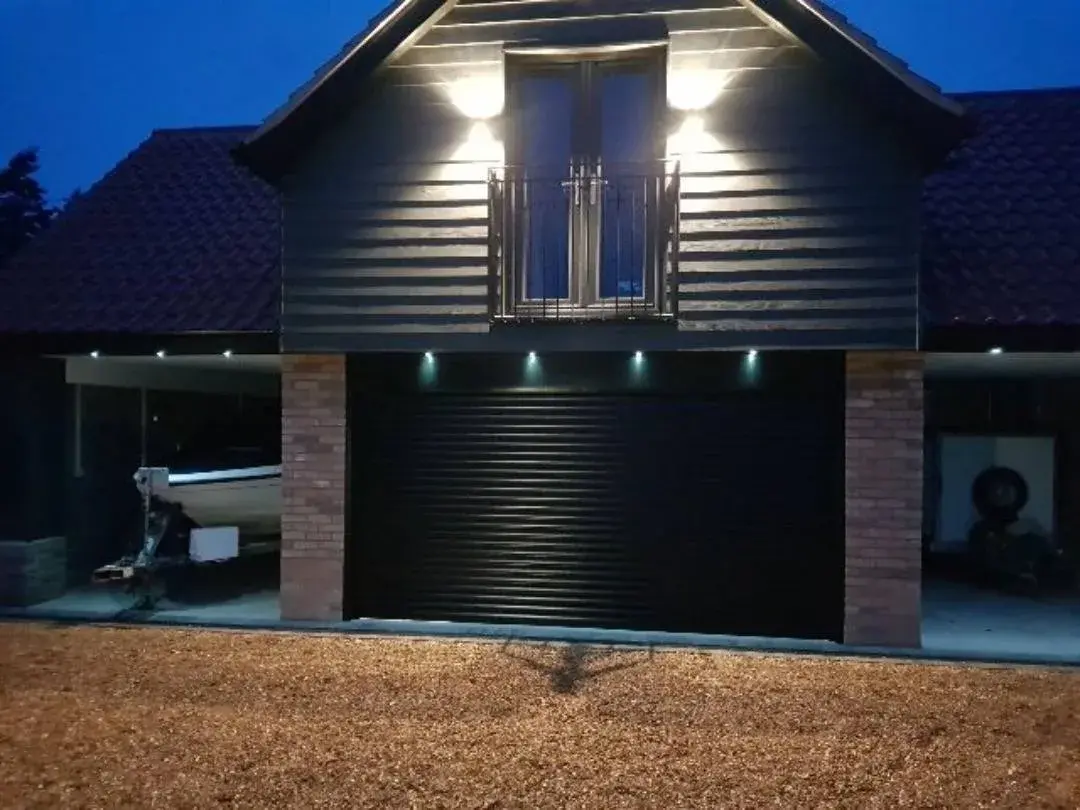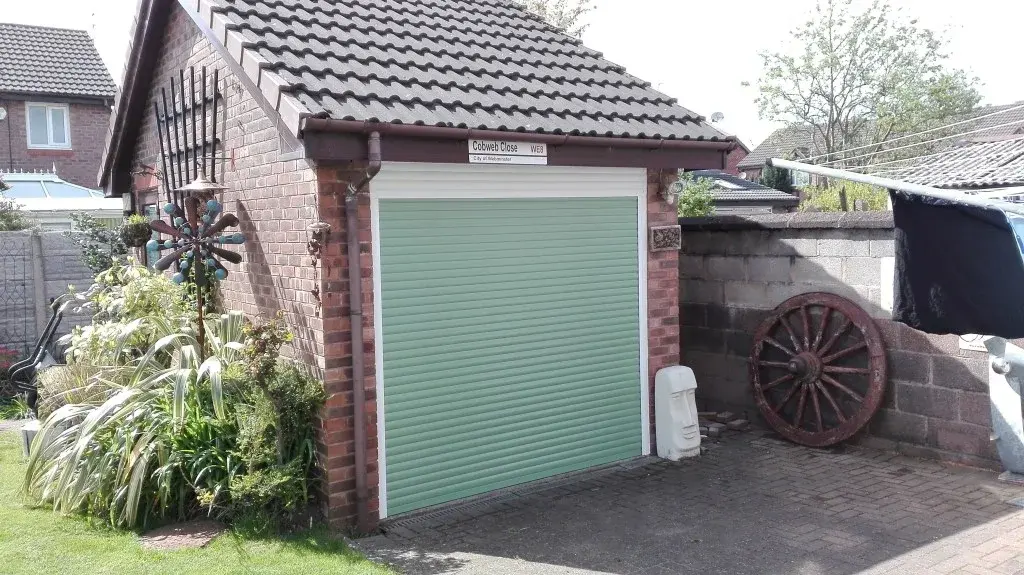
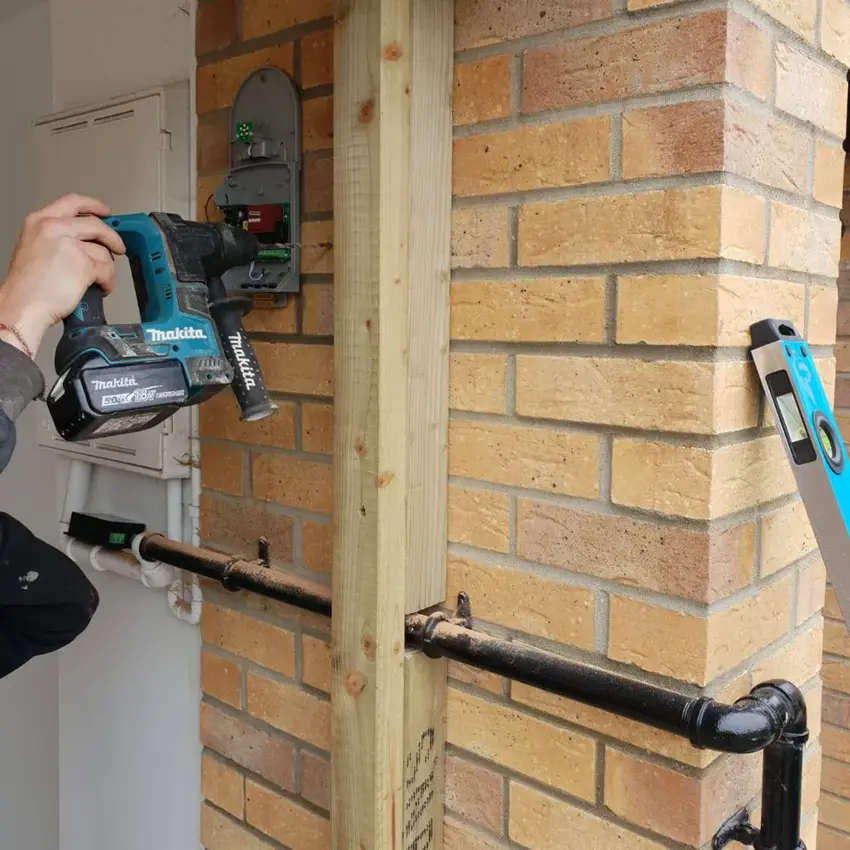
Regular attention makes it easier to spot a change in your garage door before it becomes a bigger inconvenience. The useful distinction is between observations an owner can make safely and maintenance that requires a trained specialist. Start with the instructions for your exact door and operator: a generic internet checklist should never replace them.
Keep the curtain clean in the recommended way
Dirt on a roller door curtain can affect appearance and contribute to rubbing as the door rolls. Check the approved cleaning method for the finish before choosing a product. Where the manufacturer permits it, gentle cleaning with suitable water, a soft cloth and a non-abrasive cleaner is preferable to experimenting with strong chemicals.
Pay particular attention to the care guidance for a woodgrain finish or other decorative surface. Avoid directing high-pressure water at seals, controls or the motor area. Reach only what you can clean safely from ground level and arrange suitable professional help for inaccessible areas.
Make a visual check without dismantling anything
Look at the exposed curtain, guides and visible seals with the door safely stationary. Note dents, displaced parts, unusual gaps or signs of rubbing. A bottom seal that no longer meets the floor neatly may need assessment, particularly if the floor or threshold has changed.
Keep the opening and the area around the guide rails free of stored objects and loose debris. Do not remove protective covers, reach into the roll or attempt to tighten unfamiliar components. Springs, cables and other mechanisms can retain stored energy even when the motor is not operating.
Notice changes in ordinary operation
When using the door normally, pay attention to a new scraping sound, uneven travel, unexpected stopping or a different closing position. Record what happened and when. A short description of the symptoms can help a specialist distinguish an intermittent control issue from a physical obstruction or damaged component.
Do not repeatedly run a door that appears damaged or unsafe. Follow the user instructions if a fault occurs and contact a competent service provider. Our electric door safety guide explains why bypassing a protective device or changing a setting is not a sensible troubleshooting shortcut.
Keep records and arrange the right servicing
Store the model details, handover instructions, service records and warranty documents together. Ask the installer to explain the inspection schedule for the actual product and level of use. There is no single lubrication or adjustment routine that suits every garage door type.
Owners should not adjust limit settings, spring tension or safety components using a generic guide. If you are replacing an older door, discuss care and support during the installation process. When you contact the team, describe the door and its symptoms rather than assuming a particular spare part will solve the problem.