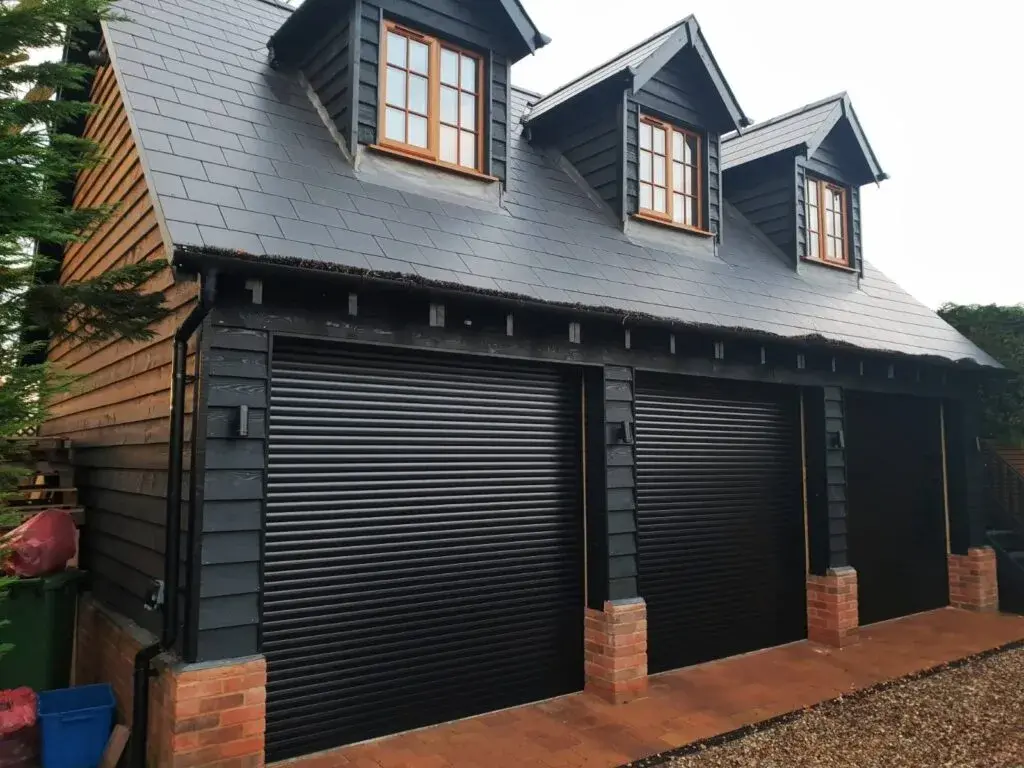
An insulated roller garage door can be a sensible upgrade when you want a more comfortable, practical garage. Its value depends on the building around it and the way you use the space. A foam-filled curtain is only one part of the picture: gaps, the floor, the roof and the walls all influence the result.
What makes a roller door insulated?
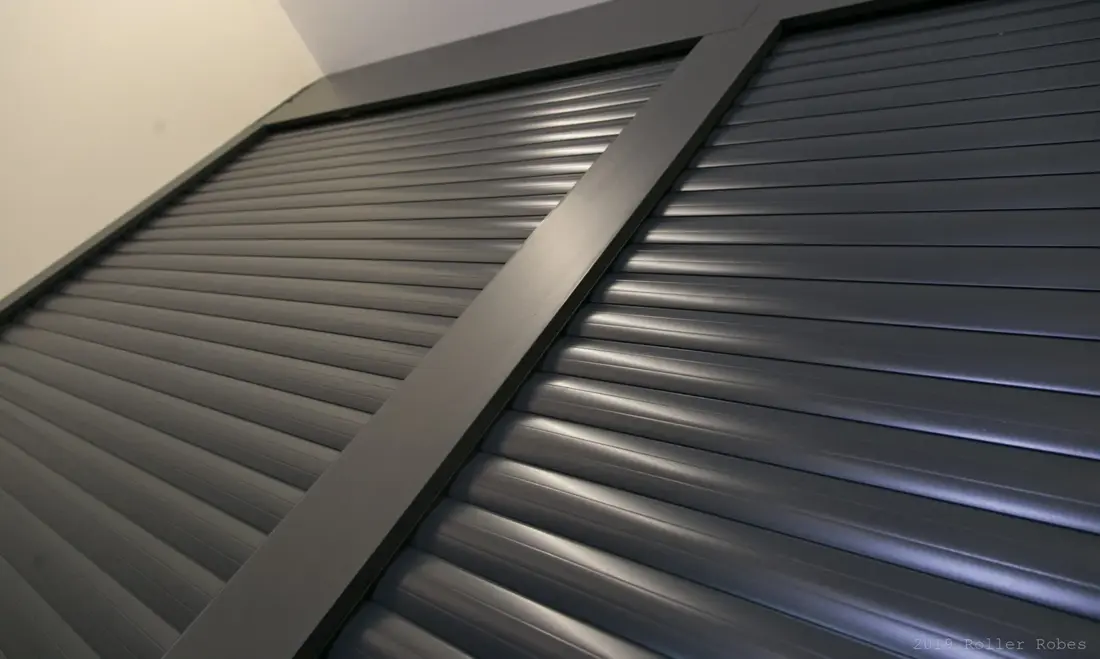
An insulated curtain commonly uses double-skinned slats with a core of foam insulation. The construction differs from a simple single layer of metal. It can help limit heat transfer through the curtain, but the finished installation includes joints, guides, a head area and a meeting point with the floor.
Ask for the specification of the actual door being quoted. Slat depth, curtain design and materials vary between products. A description such as premium or insulated does not, by itself, provide a complete comparison. Our insulated roller garage door page is a starting point for discussing the options.
Consider how the garage connects to your home
An attached garage, a detached storage building and a garage used regularly as a hobby space have different priorities. Consider whether you are trying to reduce draughts, make occasional use more comfortable, protect stored items from direct weather exposure or improve a wider insulation project.
Replacing the door does not make an otherwise uninsulated building into a heated room. If the roof, walls or floor lose heat readily, they may remain the main limitation. Equally, a door that is frequently left open cannot provide its closed-door performance while the opening is exposed.
Understand performance figures
A U-value describes heat transfer under stated conditions; a lower value indicates less heat transfer for the item measured. The important question is what that item was. A figure for one panel or the centre of a slat is not automatically the figure for a complete fitted door.
When comparing quotations, ask which door size, configuration and test or calculation the figure relates to. Avoid treating an attractive number from a different model as a promise for your opening. If no comparable figure is available, discuss the construction and expected use without inventing a numerical saving.
Seals and fitting deserve equal attention
The bottom seal and seals around the curtain help manage gaps, but the condition and shape of the opening still matter. A worn threshold or uneven floor may need attention. Ask how the proposed door will meet the floor, what weather exposure is expected and what preparation is included.
Do not block ventilation openings in an attempt to retain heat. If you are changing the way the garage is used, consider the building requirements with a suitable professional. For the door itself, send your measurements and requirements and explain the comfort problem you want to solve. That gives the team a better brief than asking for the thickest slat alone.